How to grow Hellebores
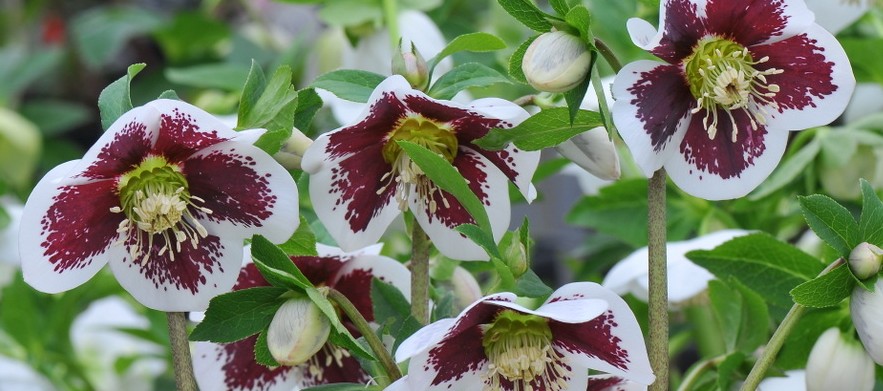
Hellebores are easy to grow providing a few simple guidelines are followed.
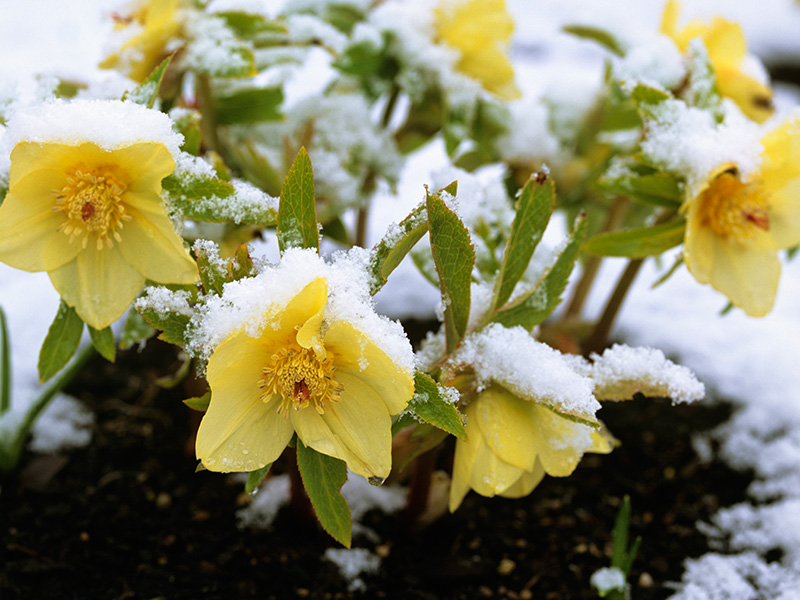
They prefer a rich soil with plenty of available moisture during their flowering period, but they also require excellent drainage: they are after all ‘snow-melt’ plants. If you can grow them on a slope, they will naturally be well drained.
Most are found on slightly alkaline soils in their natural habitat, but it really doesn’t matter too much whether the soil is neutral or slightly acidic, so long as there are plenty of nutrients. Avoid poor dry soils, peaty soils or waterlogged conditions.
It’s important to give them a sheltered site away from cold winds. Hellebores will tolerate drier conditions in summer providing there is some shade but bear in mind that too much shade all year round can reduce the number of flowers. They are best grown amongst deciduous shrubs and trees which will give them plenty of light in winter and spring but which will provide some welcome shade in the summer months.
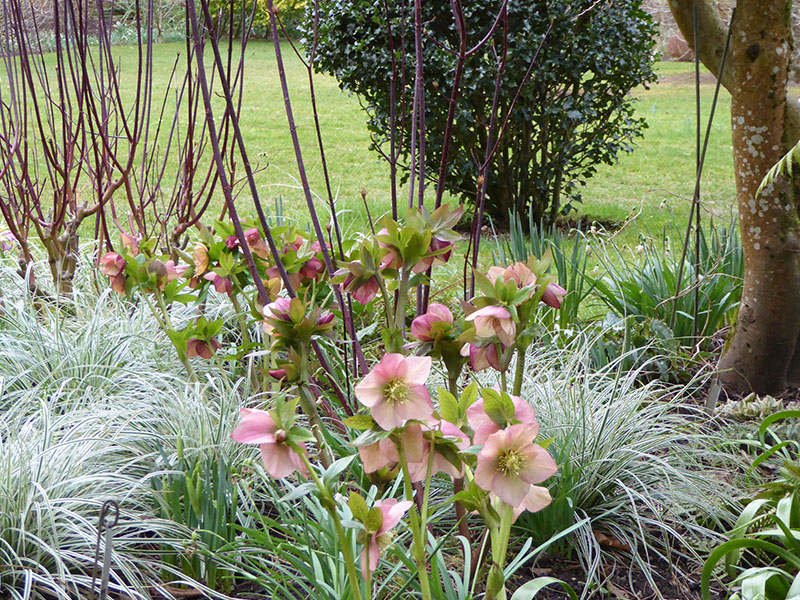
I prefer to use Helleborus x hybridus Ashwood Garden Hybrids combined with middle storey shrubs such as Ribes ‘White Icicle’ and Cornus officinalis; shrubs such as these these may be pruned if necessary to raise the canopy. A top storey of deciduous trees gives even more protection from wind and strong sunlight. I also like to grow some non-seeding summer flowering herbaceous geraniums in between hellebores in order to extend the season: varieties like ‘Rozanne’ and ’Anne Folkard’ are ideal.
Your soil preparation before planting is most important. Hellebores are deep rooted so dig your soil as deeply as possible and mix in plenty of humus in the form of leaf mould, spent mushroom compost, or well-rotted manure. Remember to keep your newly-planted hellebores well watered during their first year.
I feed my plants in early spring, and again in August/September when the new flower buds are being initiated. Lime often frees up nutrients, so I tend to use spent mushroom compost which contains some lime. Take care not to mulch into the crown of the plant as it can cause the buds to rot. Seaweed fertiliser is a good alternative and I also work in fish, blood and bone.
I prefer to remove all the old leaves from the semi deciduous varieties in late December (Garden Hybrids or Lenten Roses only). This will make the flowers much easier to see and will protect the emerging buds from attacks by rodents because these can no longer seek protection under the old foliage. After flowering, remove the old faded flower stems, unless you require seed, to encourage next year’s developing new growth. Spray them occasionally with a systemic fungicide and keep a look out for aphids in particular as these can introduce virus.
Additional cultural information
Growing Hellebores: from the Ashwood Team
See Howard Drury’s ‘Wonderful World of Ashwood Hellebores‘ on YouTube.