The Wildlife Garden
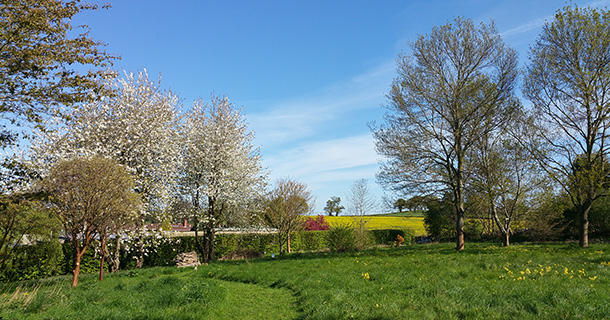
In a rural canal-side setting adjacent to John’s Garden, surrounded by undulating farmland and pockets of woodland, our wildlife garden is ideally situated to attract a wide variety of creatures for visitors to enjoy.
Here, we are developing and maintaining the garden using the same ecological principles used to manage nature reserves across the country.
The aim is to provide a variety of habitats in order to attract a range of species and achieve a high level of biodiversity while creating an environment that is also attractive and pleasing to the eye.
Developing habitats
Mature native trees such as oak, birch, alder, and wild cherry, as well as an area of coppiced hazel, are characteristic of woodland habitats and provide for visiting woodland creatures. Hedgerows of hawthorn and blackthorn with flowers and berries for foraging are perfect habitats for birds and insects.
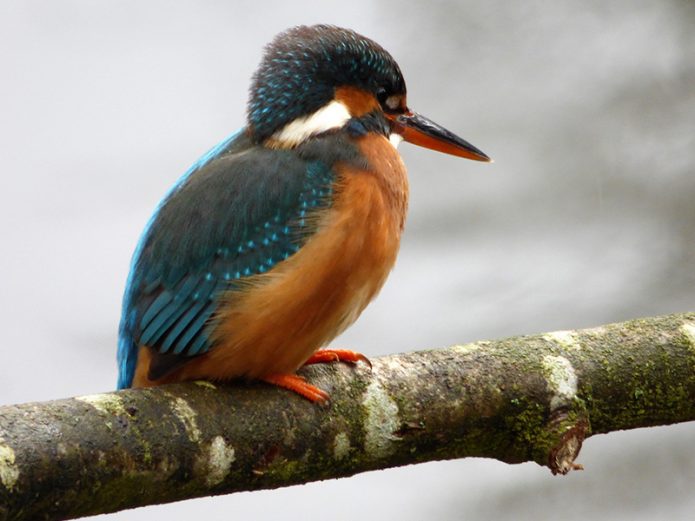
The canal-side setting brings aquatic creatures such as dragonflies and damselflies and the stunning sight of kingfishers, who can be seen fishing from a perch we have installed.
The grassland itself provides the largest habitat. An estimated 97% of British wildflower meadows have been lost since the 1930s. The remaining habitat is vitally important to many of our favourite British species and countless other less well-known ones.
We have added numerous native wildflowers to the meadow to provide nectar for butterflies, bees, moths and other pollinating insects. Twenty-one species of butterfly and over 270 species of moth have been found so far, and careful management should encourage more species in the future.
When can I visit the wildlife garden?
The wildlife garden is adjacent to John’s Garden at Ashwood Nurseries and is open to visitors on John’s Garden Open Days.. The entrance charge to the John’s Garden includes admission to the wildlife garden (weather and ground condition permitting).
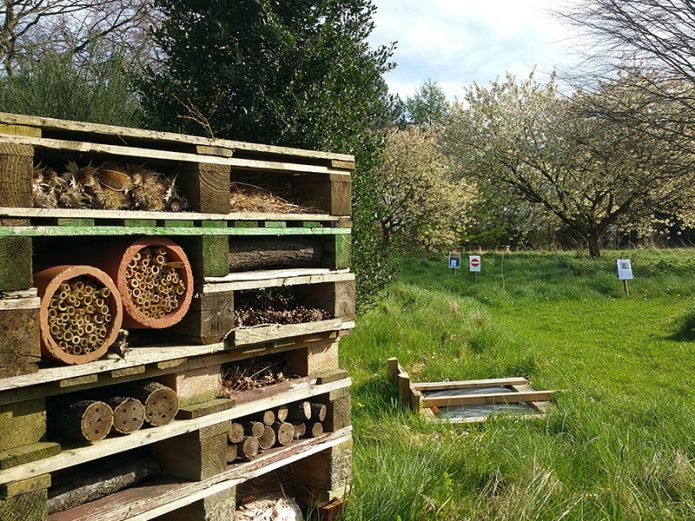
The wildlife garden offers a fascinating nature experience for families and enthusiasts. You can stroll along waymarked paths with something new to discover on every visit, hopefully providing inspiration and ideas for your own garden.
There are viewing screens and a bird hide for viewing the bird feeding area; kingfishers, woodpeckers, bullfinch, and nuthatch are regularly seen, as well as seasonal migrants such as siskins, swifts, and swallows. Numerous nesting boxes provide additional interest.